Nature, Biodiversity, and Unforgettable Adventures
Panama boasts more than 1,600 islands and islets distributed across the Pacific Ocean and the Caribbean Sea, many of which are protected within national parks and marine areas of great ecological value. From white-sand beaches and coral reefs to tropical forests and coastal communities, these destinations offer experiences for those seeking relaxation, adventure, wildlife viewing, or a connection with nature. Each island possesses a unique charm, allowing visitors to discover the extraordinary natural richness that defines the country.
Pacific Ocean Islands
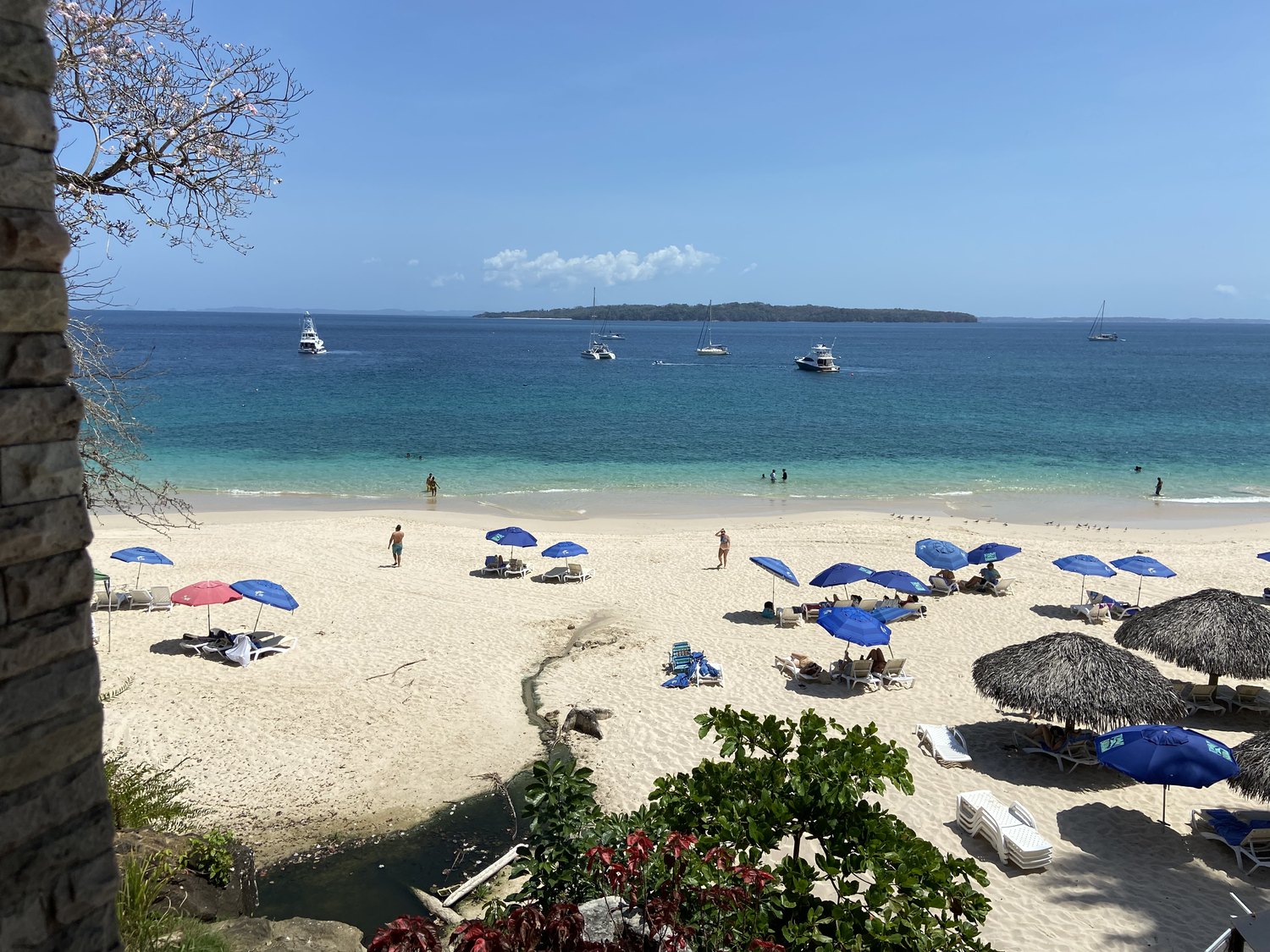
- Contadora Island: The Jewel of the Pearl Islands
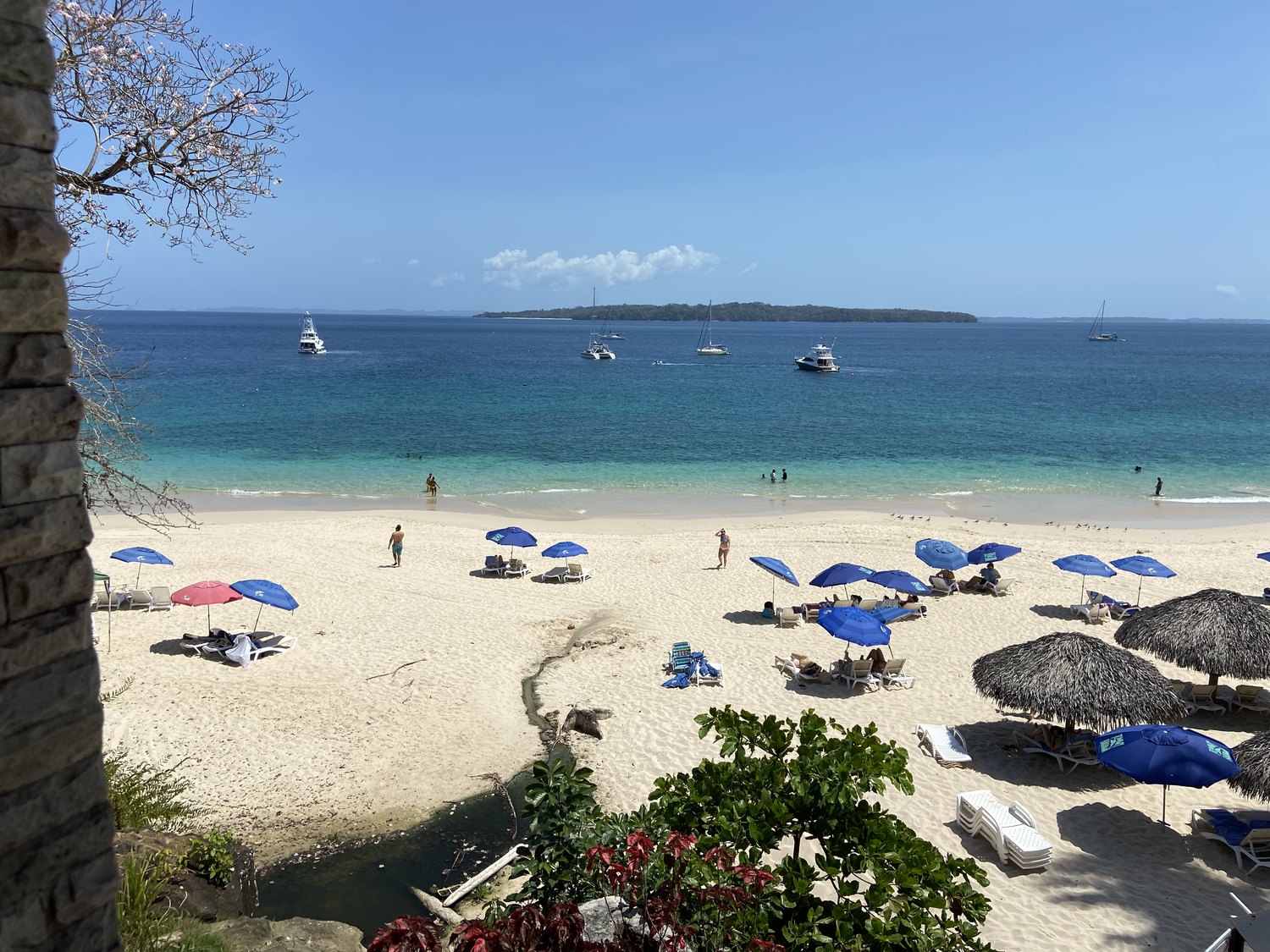
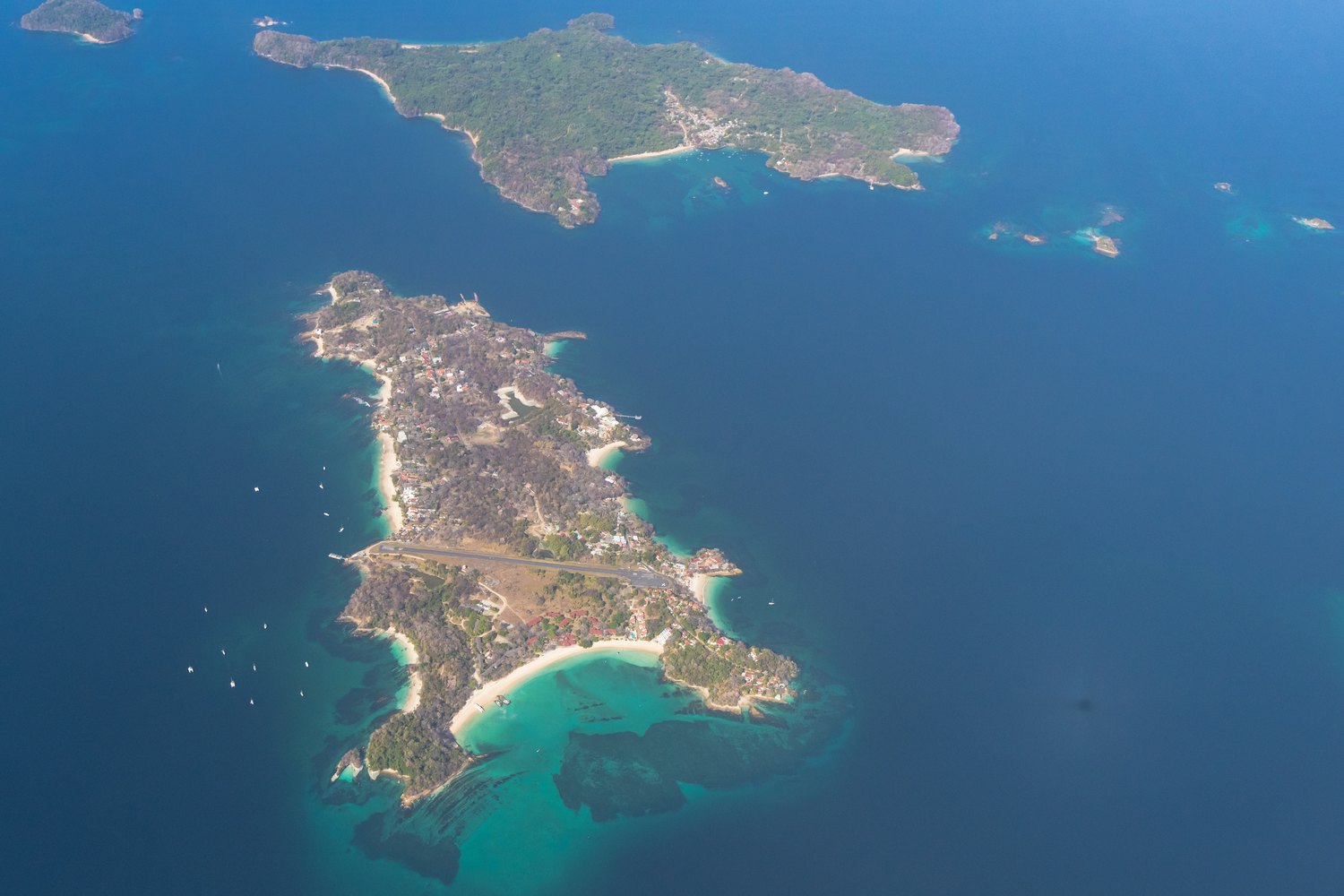
Isla Contadora, located in the Pearl Islands in the Gulf of Panama, is one of the most renowned beach destinations on Panama’s Pacific coast. Surrounded by over a dozen beaches featuring white sand and crystal-clear waters, it offers an ideal setting for swimming, snorkeling, exploring the island on foot, and enjoying the tranquility. Its name dates back to the colonial era, when pearls harvested from the archipelago were counted before being shipped to Spain. Additionally, between July and October, the nearby waters lie along the migratory route of humpback whales, serving as an added attraction for visitors.
How to get there: By ferry from the Amador Causeway in Panama City, or via a domestic flight from Marcos A. Gelabert International Airport (Albrook).
Cost: Rates for transportation, accommodation, and activities vary depending on the season and the service provider.
- Boca Brava: Nature Trails and Spectacular Views
Located in the Gulf of Chiriqui Archipelago, Boca Brava Island combines tranquil beaches, nature trails, and spectacular Pacific views. Its tropical forests are home to howler monkeys and a wide variety of birds, making it an excellent destination for hiking, wildlife watching, sport fishing, and kayaking.
How to get there: A 5- to 10-minute boat ride from Boca Chica.
Cost: Boat transport rates vary; island access is free.
Rancheria Island: Biodiversity in Coiba National Park
Officially known as Rancheria Island—and also referred to as Coibita—this island is part of Coiba National Park, a UNESCO World Heritage Site. Its pristine beaches and coral reefs are among the best-preserved in the Tropical Eastern Pacific, offering excellent conditions for snorkeling and diving amidst tropical fish, sea turtles, and extraordinary marine biodiversity.
How to get there: By boat from Santa Catalina as part of excursions to Coiba National Park.
Cost: Park entry and transport rates vary.
- Cañas Island: A Haven for Sea Turtles
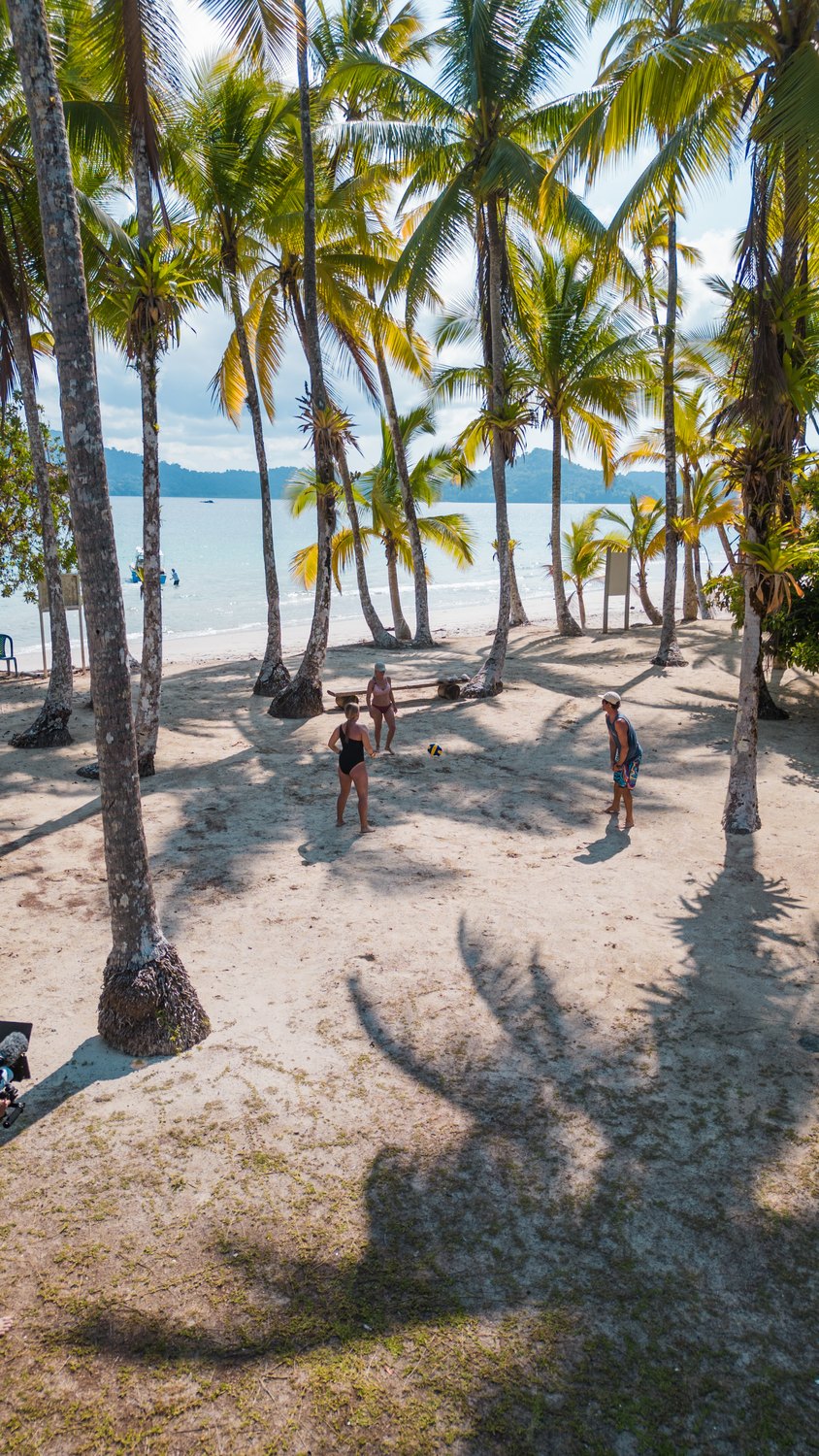
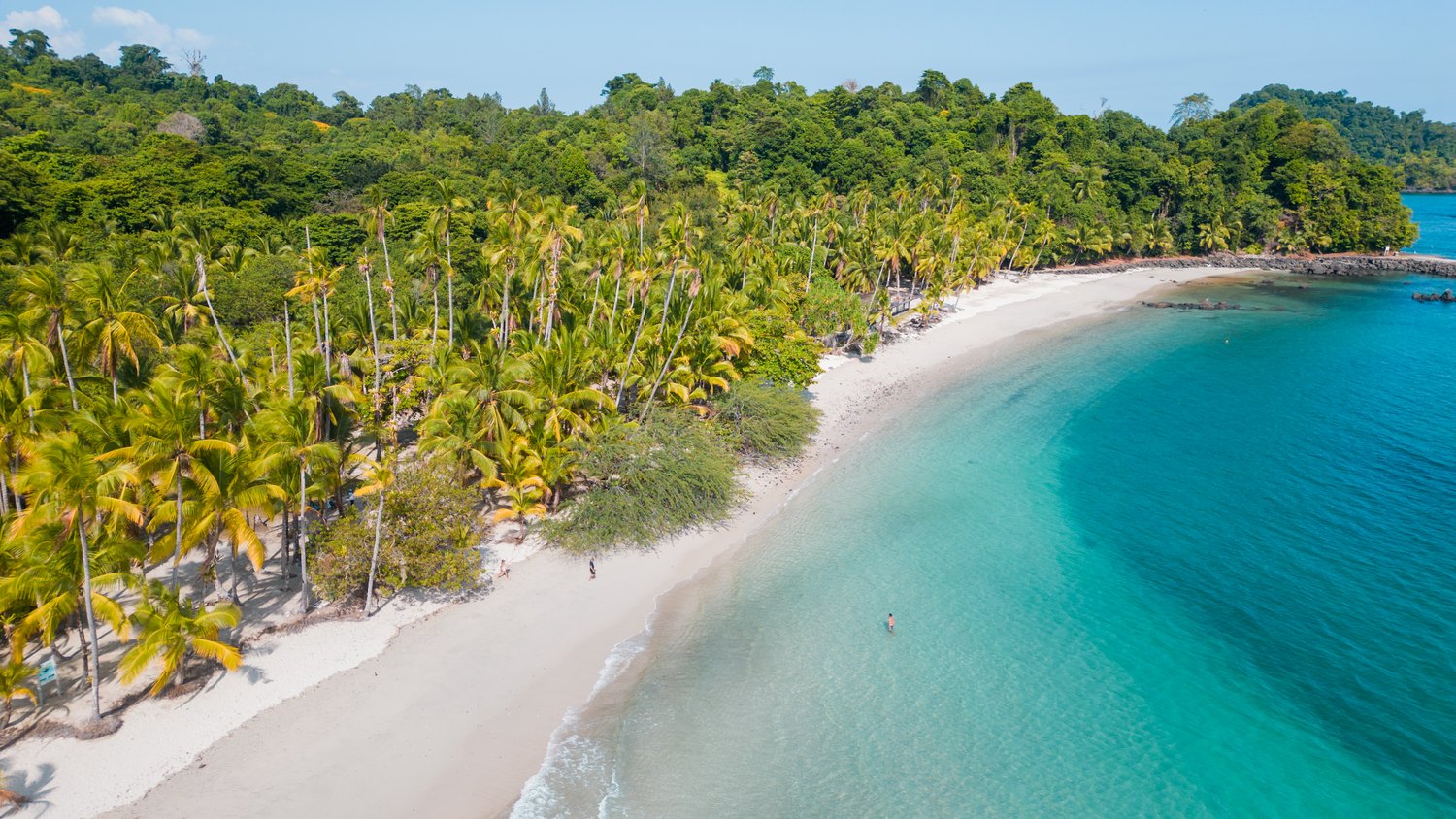
Located off the coast of the Tonosi district in Los Santos province, Cañas Island is part of the Cañas Island Wildlife Refuge, one of the primary nesting sites for the olive ridley sea turtle in the Panamanian Pacific. Hawksbill and green sea turtles are also spotted there during nesting season. Its natural beaches, mangroves, and estuaries form an ecosystem of immense importance for conservation and ecotourism.
How to get there: By boat from coastal communities in the Tonosi district.
Cost: Free access; transport and guided tours have variable rates.
- Otoque Island: Artisanal Fishing and Nature in the Gulf of Panama
Located in the Gulf of Panama, south of Punta Chame, Otoque Island is part of the Otoque and Bona Island Wildlife Refuge. This tranquil destination combines natural beaches, coastal landscapes, and a rich fishing tradition. It also serves as an important sanctuary for seabirds and migratory birds, offering an authentic experience on one of the least explored islands in the Panamanian Pacific.
How to get there: By boat from Puerto de Chame or nearby communities, depending on the tour operator.
Cost: Boat transport rates vary.
Caribbean Sea Islands
- Escudo de Veraguas: A Treasure of the Panamanian Caribbean
Despite its historical name, Escudo de Veraguas is located off the coast of the Ngäbe-Bugle Comarca in the Caribbean Sea. Surrounded by coral reefs and crystal-clear, intense turquoise waters, it is renowned for being home to the pygmy sloth—a species endemic to the island—and for offering excellent conditions for snorkeling and diving.
How to get there: By boat from coastal communities in the Ngäbe-Bugle Comarca or from Bocas del Toro, depending on the tour operator.
Cost: Transport and excursion rates vary.
- Birds Island: Seabird Sanctuary
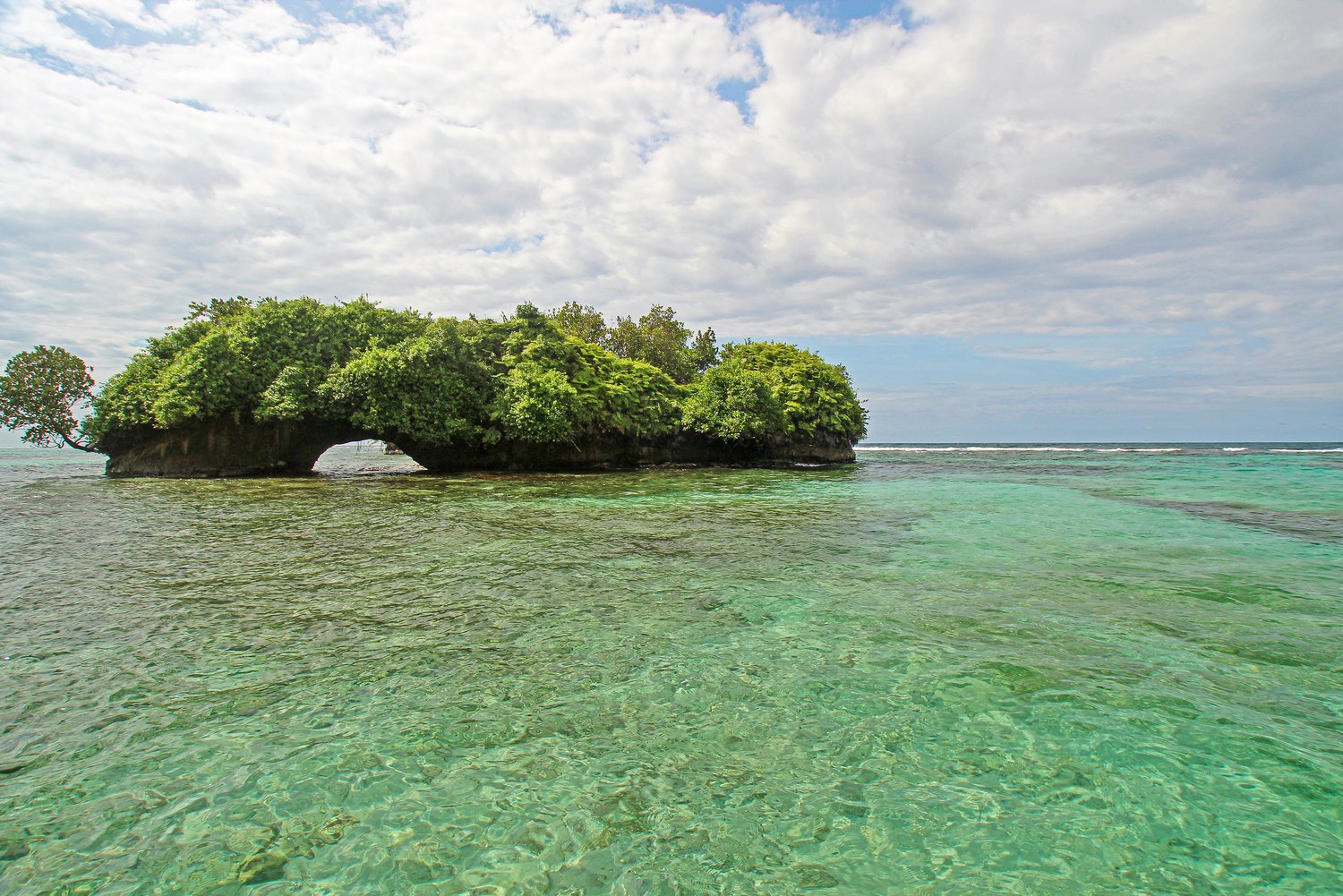
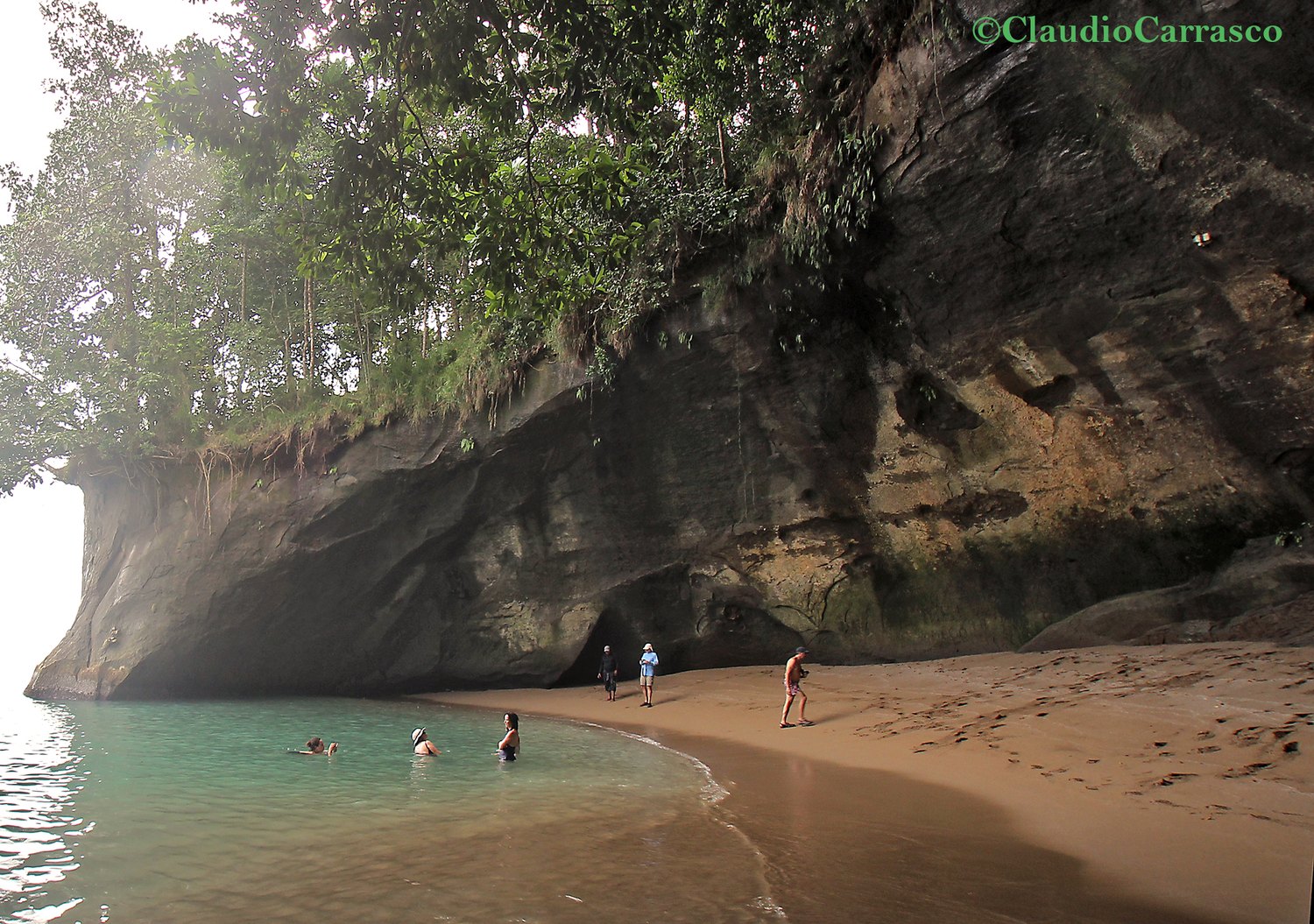
Located within Bastimentos Island National Marine Park, Isla Pajaros (Birds Island) is a small, protected rocky islet that serves as one of the primary seabird nesting sites in the Panamanian Caribbean, including for the red-billed tropicbird. To protect the ecosystem, landing on the island is not permitted, though boat tours allow visitors to observe the colony from a safe distance.
How to get there: By water taxi or tour from Bocas Town.
Cost: Boat transport rates vary.
- Cayos Zapatilla: Two Jewels of the Bocas del Toro Caribbean
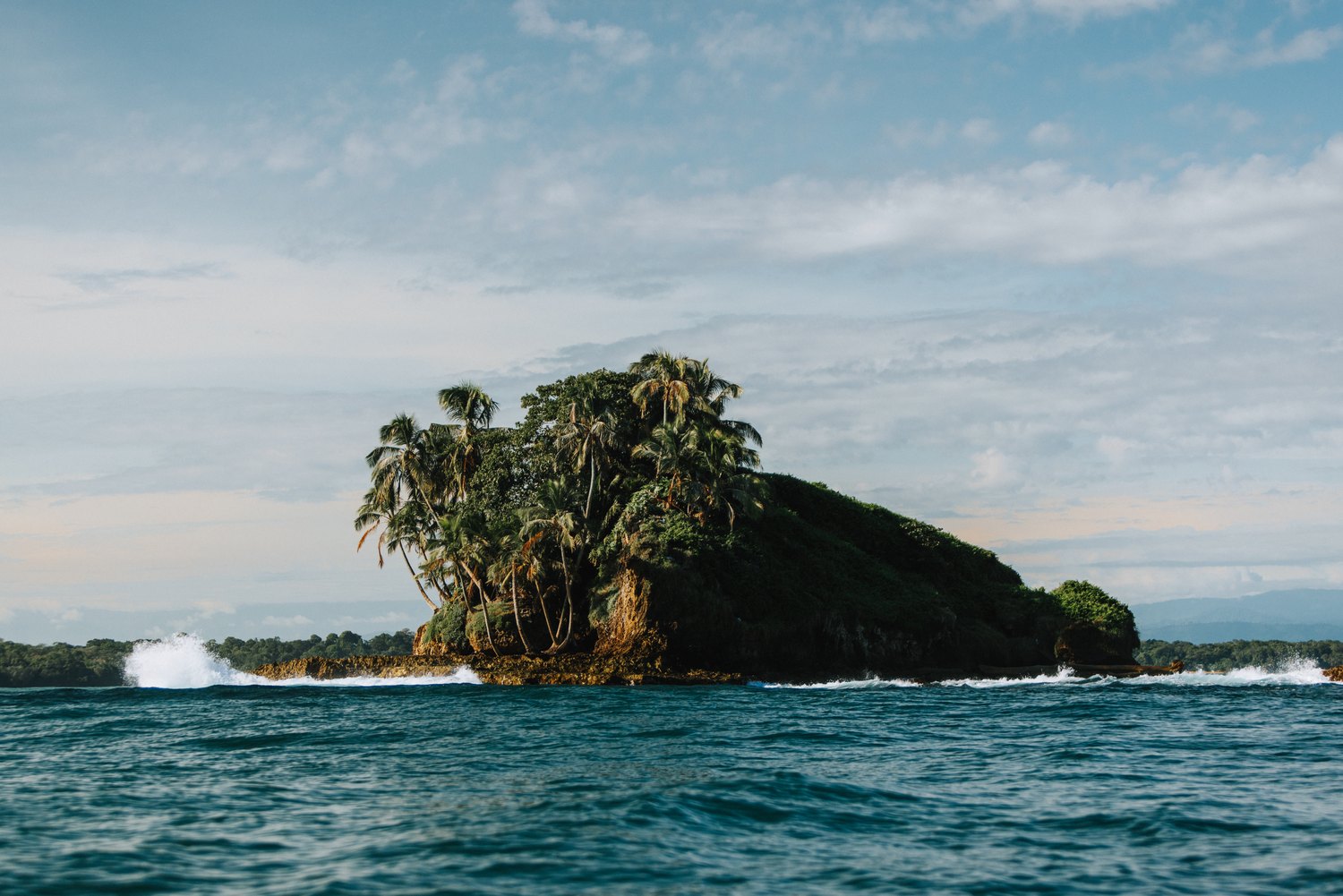
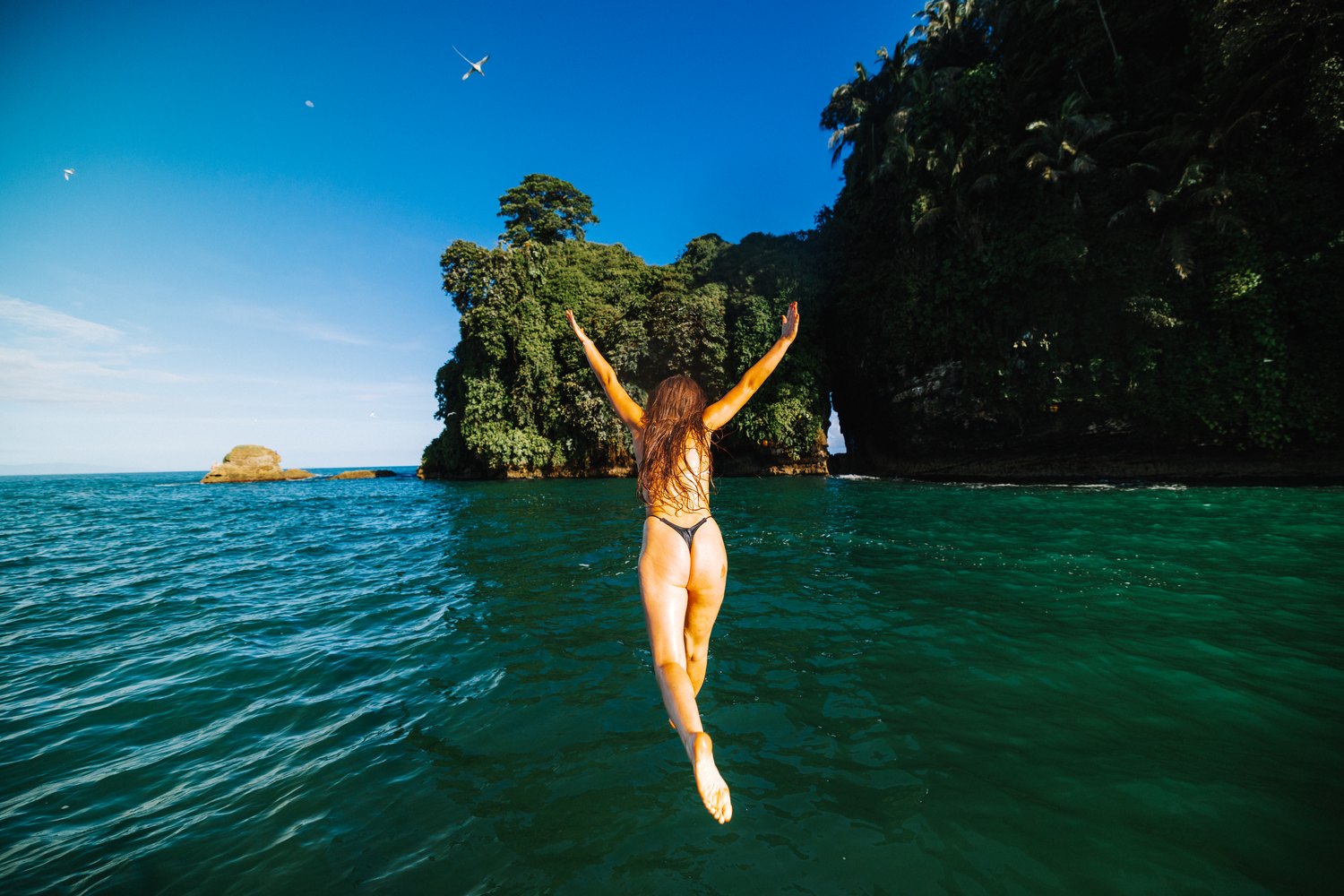
Located within Isla Bastimentos National Marine Park, Cayos Zapatilla consists of two small islands surrounded by white-sand beaches, coral reefs, and crystal-clear waters. They are considered one of the most iconic destinations in the Panamanian Caribbean for snorkeling, swimming, and enjoying a virtually pristine environment.
How to get there: By boat from Isla Colon or Bastimentos.
Cost: Transport rates vary; park entry is subject to the current official fee.
- Colon Island: The Heart of the Bocas del Toro Archipelago
The largest and most populous island in the Bocas del Toro Archipelago combines beaches, gastronomy, Caribbean culture, and a wide range of outdoor activities. It serves as a departure point for excursions to Playa Estrella, Boca del Drago, the Zapatilla Cays, and other archipelago attractions, while also being an excellent destination for surfing and nightlife.
How to get there: By flight from Panama City or by road to Almirante, followed by a water taxi.
Cost: Free access; transport and activities vary in cost.
- Isla Grande: An Authentic Caribbean Experience
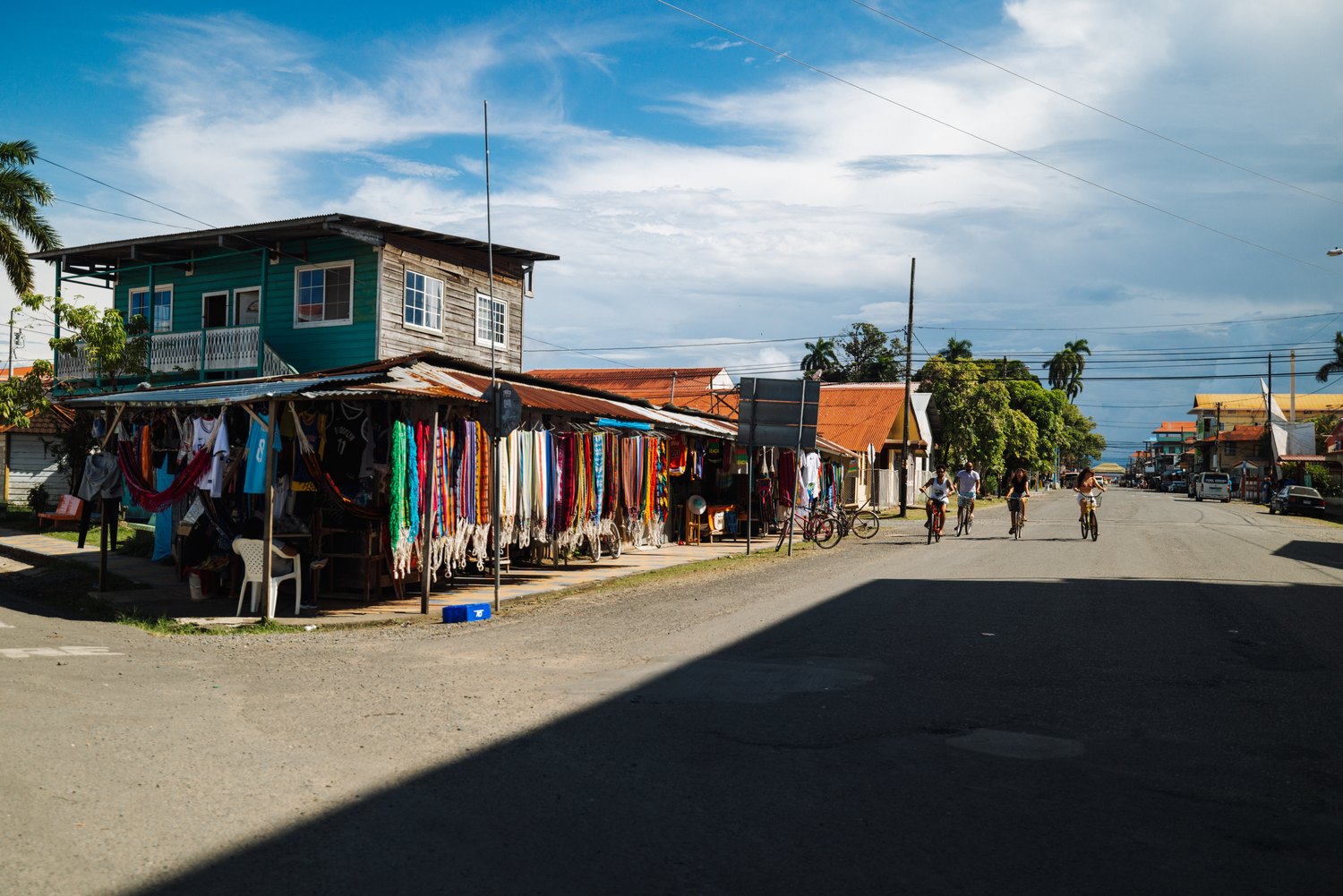
Located in the Portobelo district on Colon’s “Costa Arriba” (Upper Coast), Isla Grande is one of the most traditional destinations in the Panamanian Caribbean. Its clear waters are ideal for snorkeling, diving, paddleboarding, and other water activities, while its laid-back atmosphere and local cuisine invite visitors to enjoy an authentic Caribbean experience.
How to get there: A 5- to 10-minute boat ride from the village of La Guaira.
Cost: Boat transport rates vary; access to the island is free.