Traditions, Local Products, and Regional Cuisines Spanning the Caribbean, the Pacific, and the Mountains
Panamanian gastronomy reflects a history shaped by diverse cultures, each leaving its mark on every dish. Indigenous, Spanish, African, Afro-Antillean, Chinese, and rural traditions blend with the natural bounty of a country situated between two oceans, creating a diverse cuisine where corn, rice, coconut, seafood, meats, and local ingredients take center stage. From the traditions of Azuero to the Caribbean flavors of Bocas del Toro and Colon, Panama invites you to discover its identity through its flavors.
Azuero Gastronomy: Tradition, Folklore, and Country Flavors
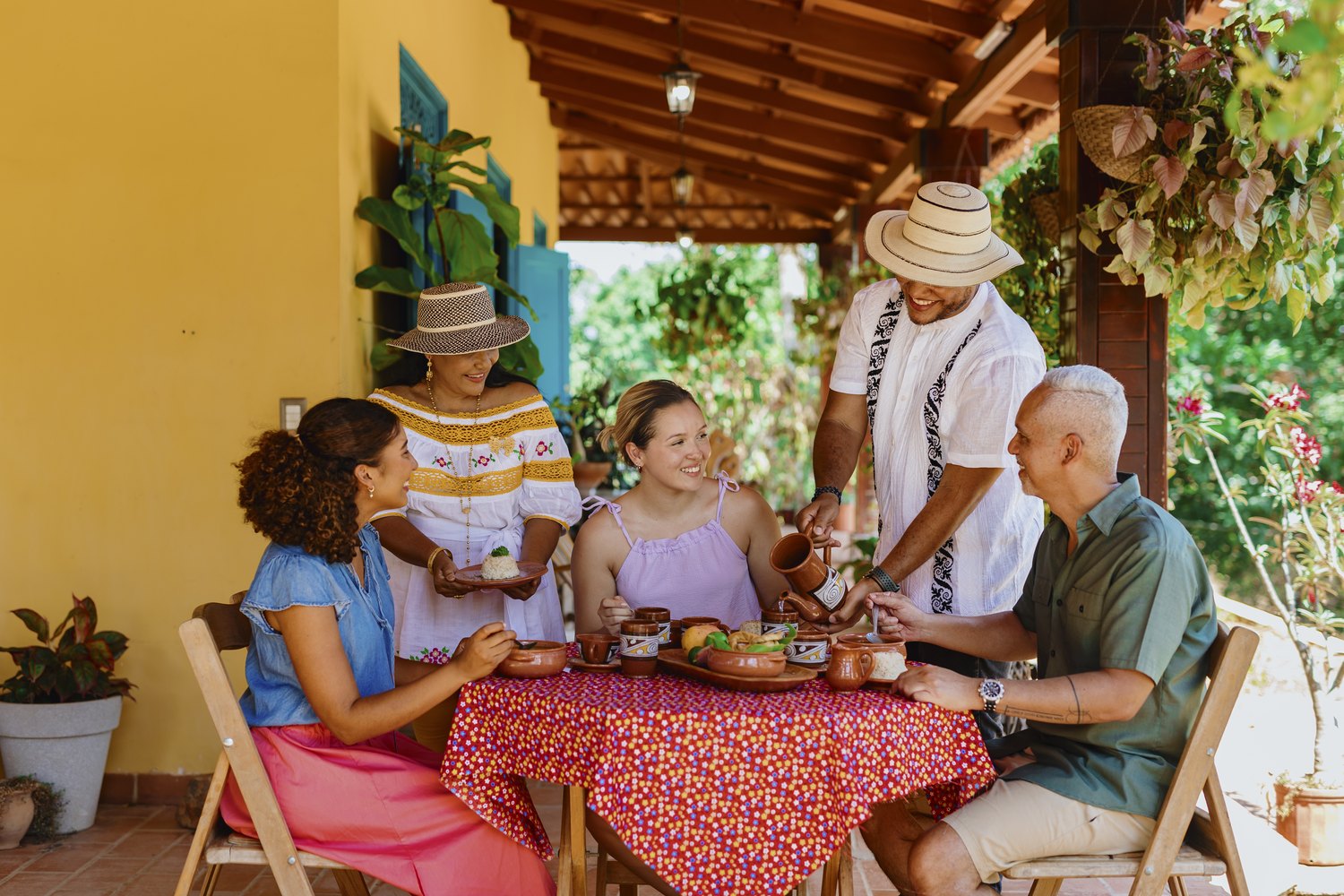
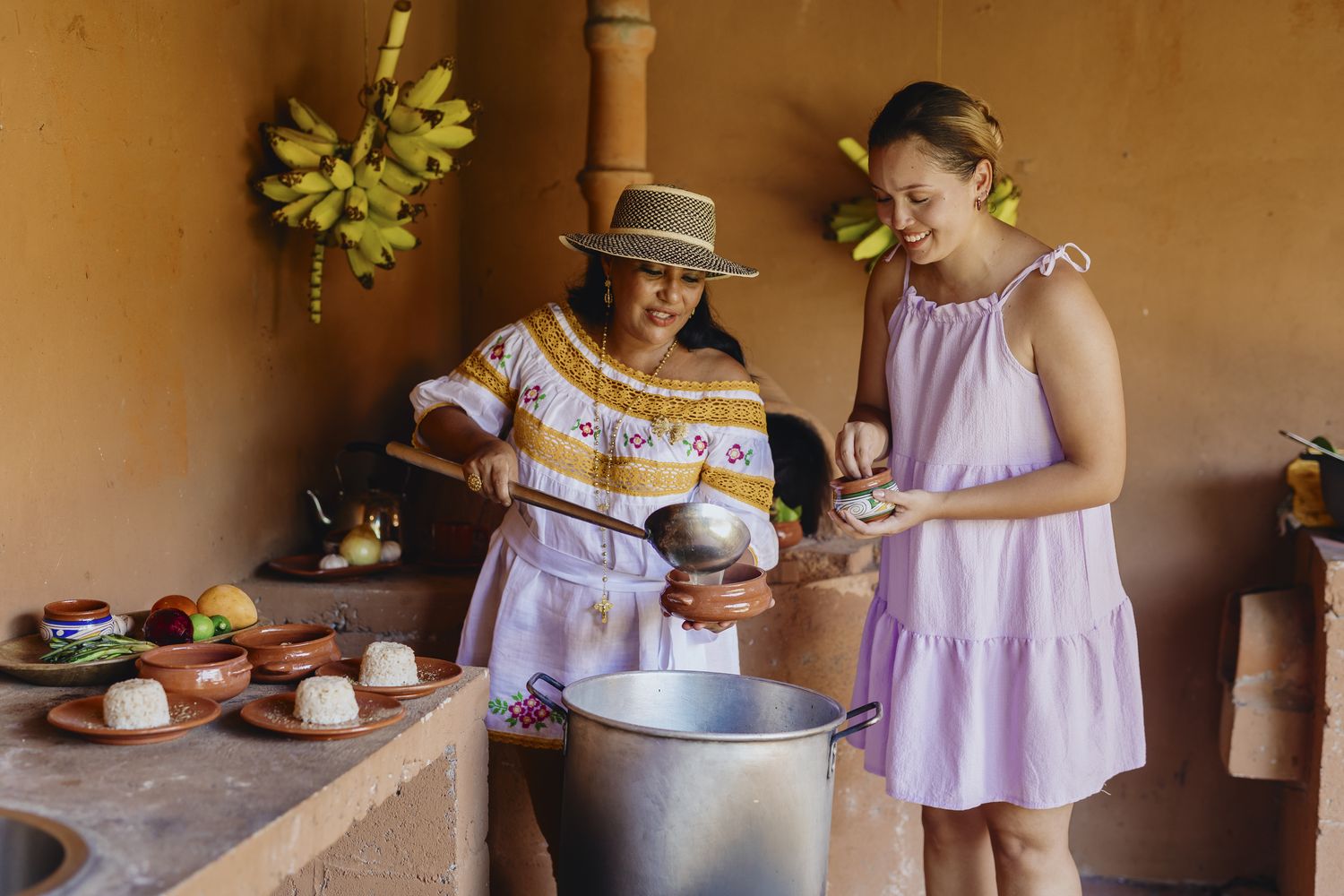
The provinces of Herrera and Los Santos represent one of Panama’s regions richest in culinary and folkloric tradition. Their cuisine is deeply rooted in rural customs, traditional celebrations, and the use of local ingredients such as corn, rice, pork, chicken, and farm-fresh produce.
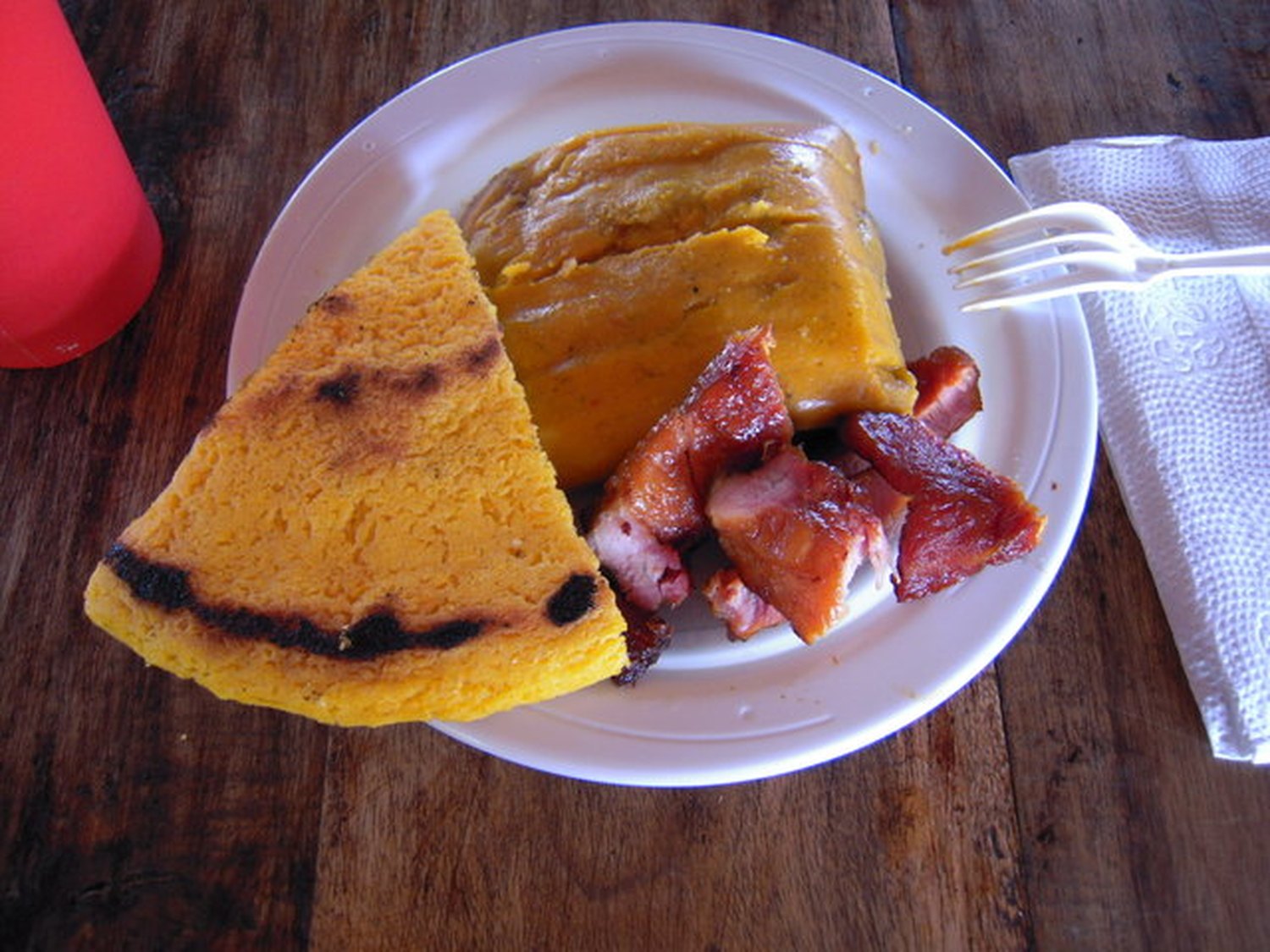
Dishes like sancocho (stew), tamales, corn tortillas, carimañolas (yucca fritters), and bollos (steamed corn rolls) are part of a culinary heritage passed down through generations. The region is also renowned for artisanal products and traditional sweets—such as “cocadas” (coconut treats), dulce de leche, and delicacies made with honey and corn.
What you’ll enjoy: Traditional cuisine, folkloric festivals, local markets, and flavors linked to Panamanian rural culture.
Chiriqui Gastronomy: Products from Mountain and the Sea
This region’s gastronomy reflects the diversity of a province that combines mountains, farmland, and coastal zones. Its fertile soils allow for the production of specialty coffee, fruits, vegetables, dairy products, and other ingredients that enrich its cuisine.
In the highlands—particularly in areas like Boquete, Volcan, and Cerro Punta—standout products include Panamanian coffee, strawberries, artisanal cheeses, and cool-climate crops. Near the Pacific Ocean, especially in communities like Boca Chica and the Gulf of Chiriqui, fish and seafood complement the region’s diverse culinary offerings.
What you’ll enjoy: Specialty coffees, mountain restaurants, fresh produce, farm-to-table cuisine, and flavors that blend the highlands with the Pacific.
Bocas del Toro Gastronomy: Caribbean Flavors with Afro-Antillean Influence
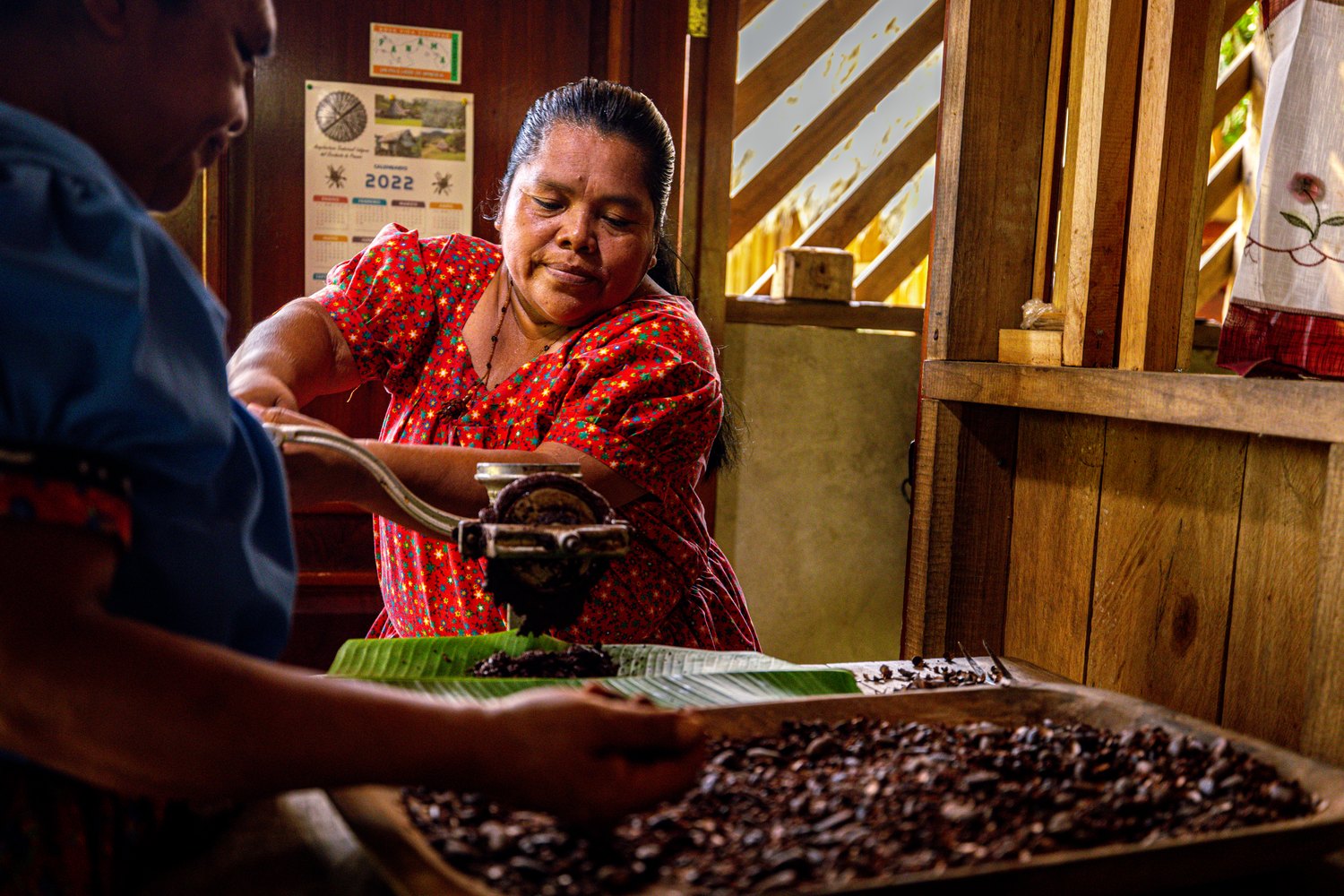
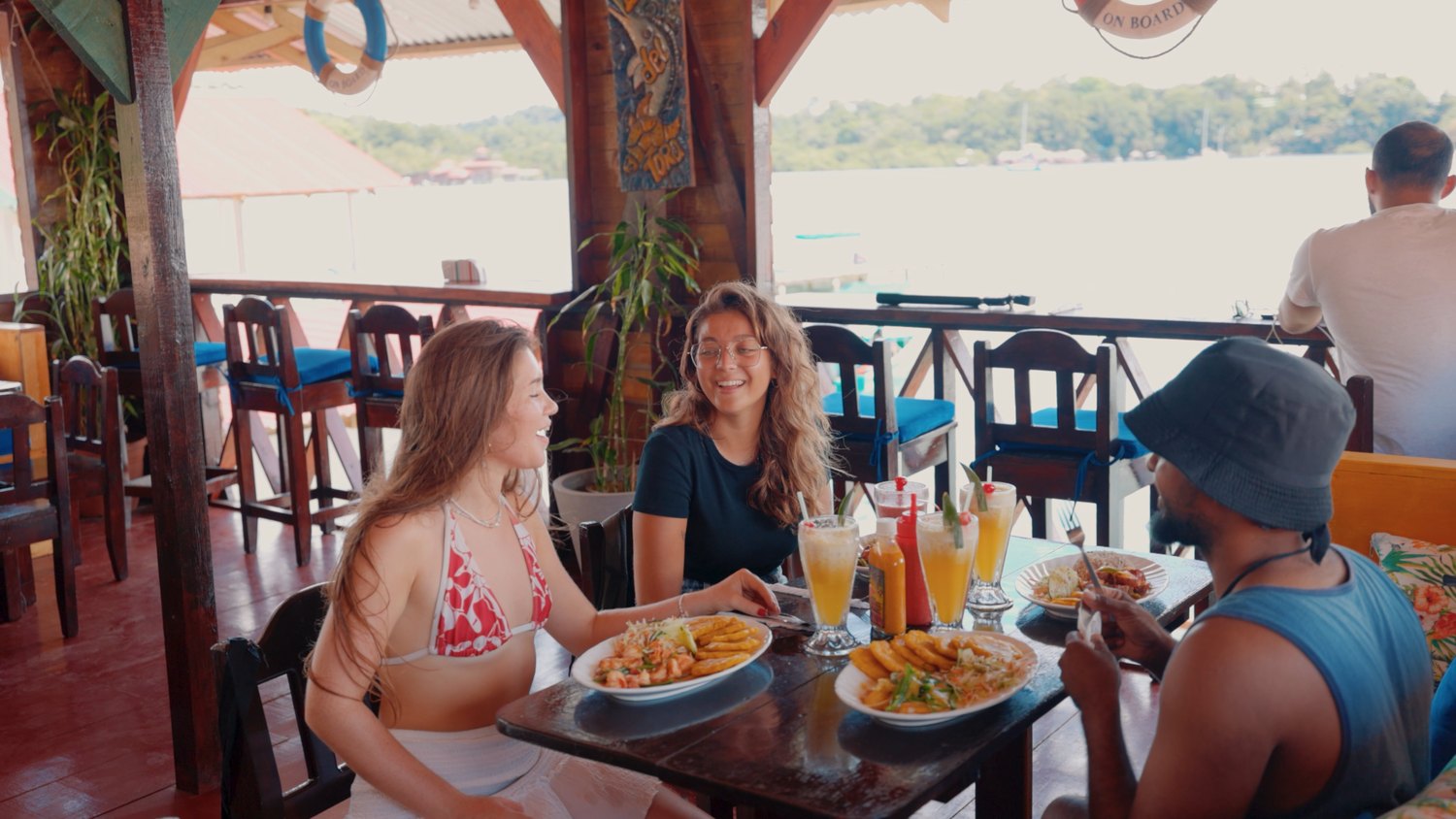
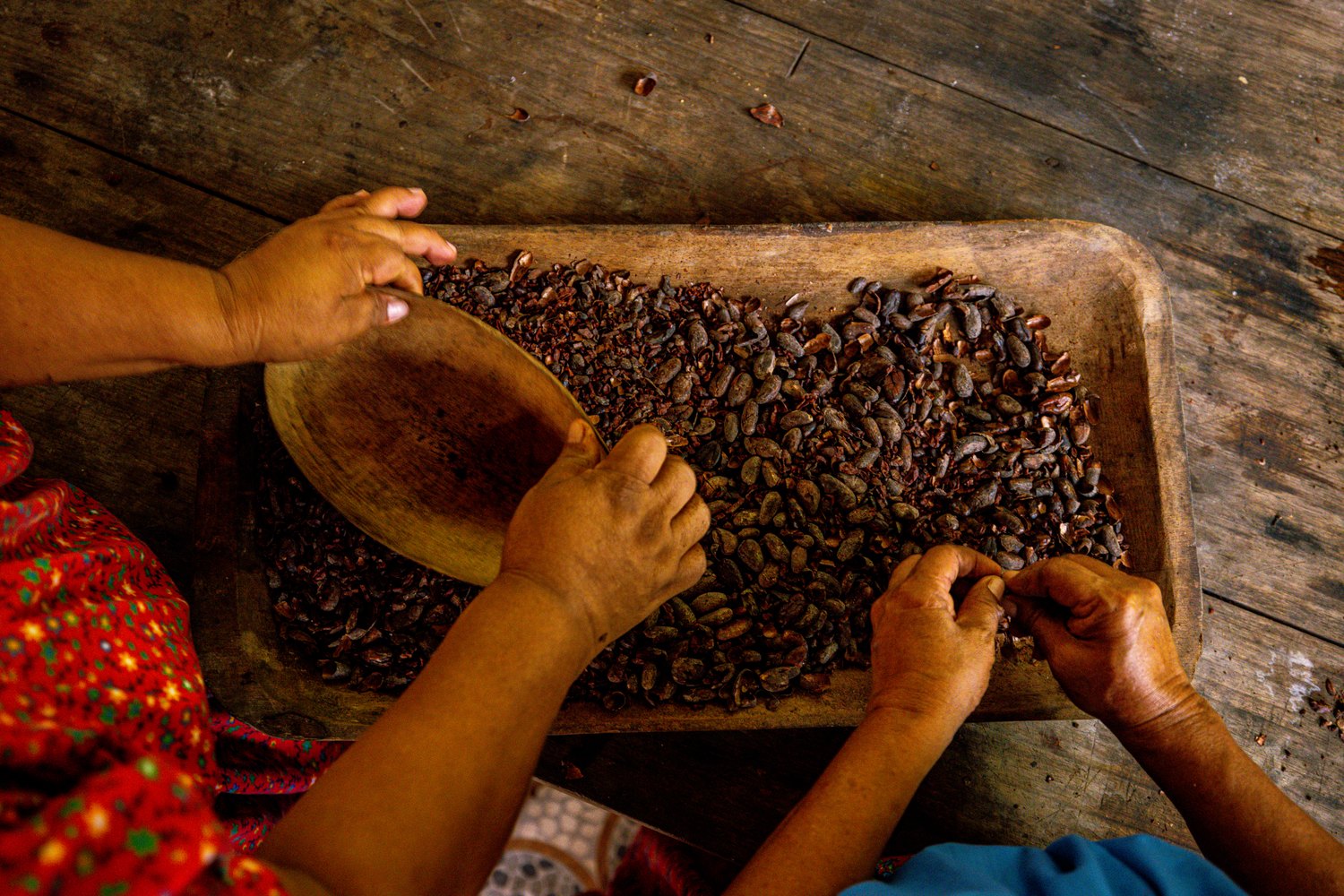
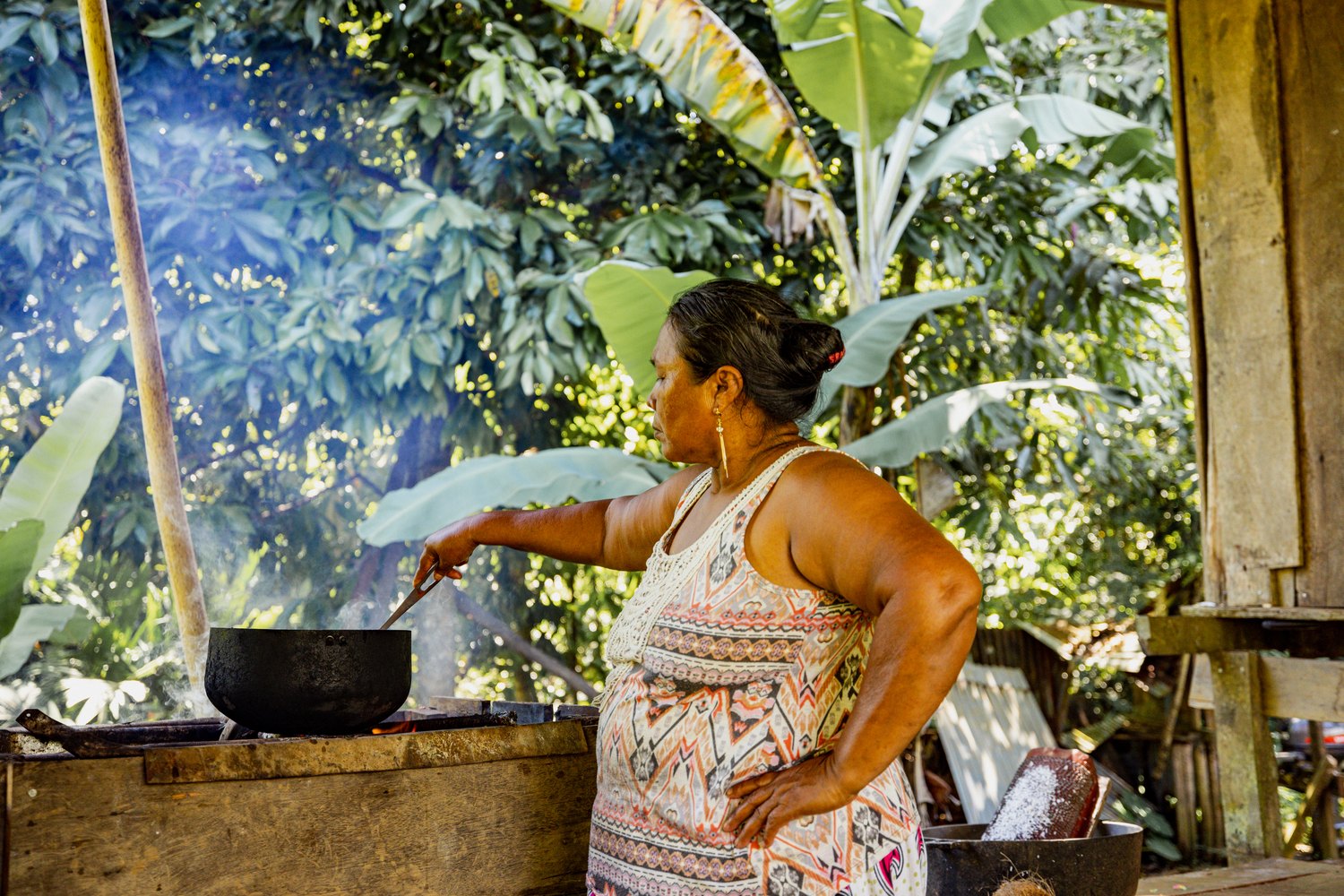
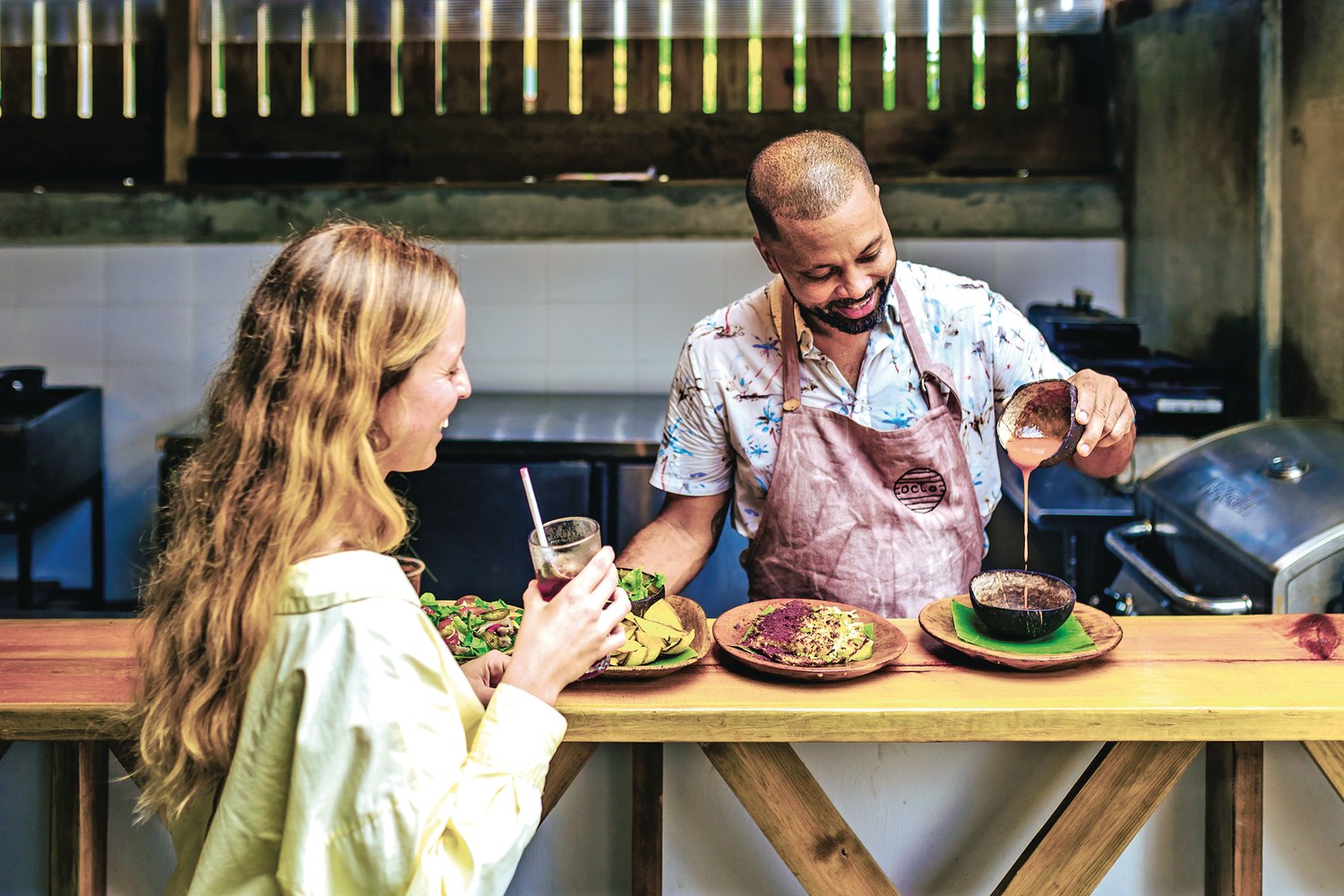
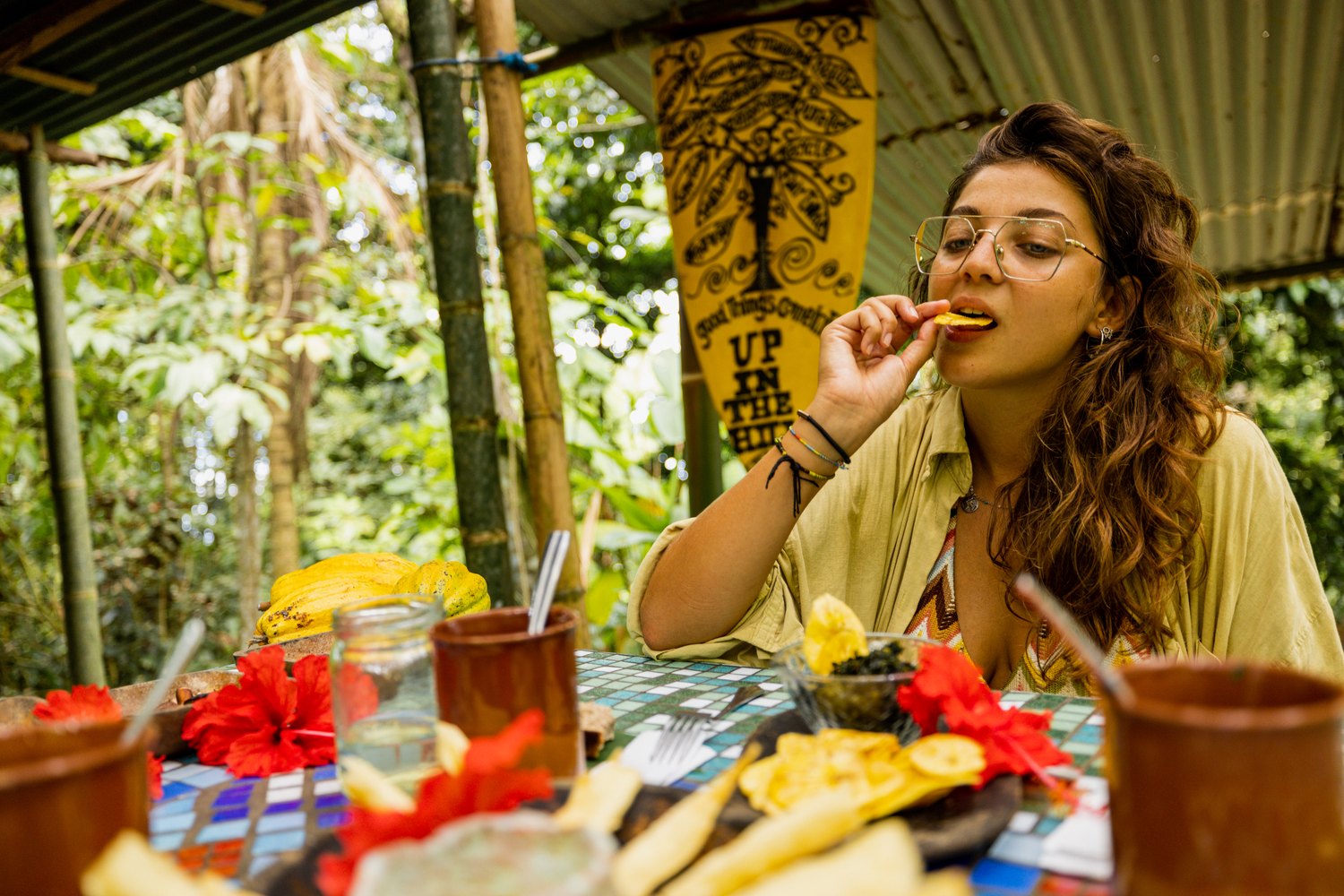
Bocas del Toro’s gastronomy is among the most distinctive in Panama, thanks to a blend of Afro-Antillean, Indigenous, and Caribbean influences. Coconut, seafood, fish, cacao, and spices are essential ingredients in a cuisine rich in flavor and tradition.
Traditional dishes include “rice and beans” prepared with coconut milk, as well as fresh fish, seafood, and recipes featuring Caribbean flavors passed down through generations. Cacao is also central to the region’s culinary identity, with a tradition deeply rooted in local communities and products.
What you’ll enjoy: Caribbean cuisine, fresh seafood, coconut-infused flavors, cacao, local markets, and a multicultural culinary experience.
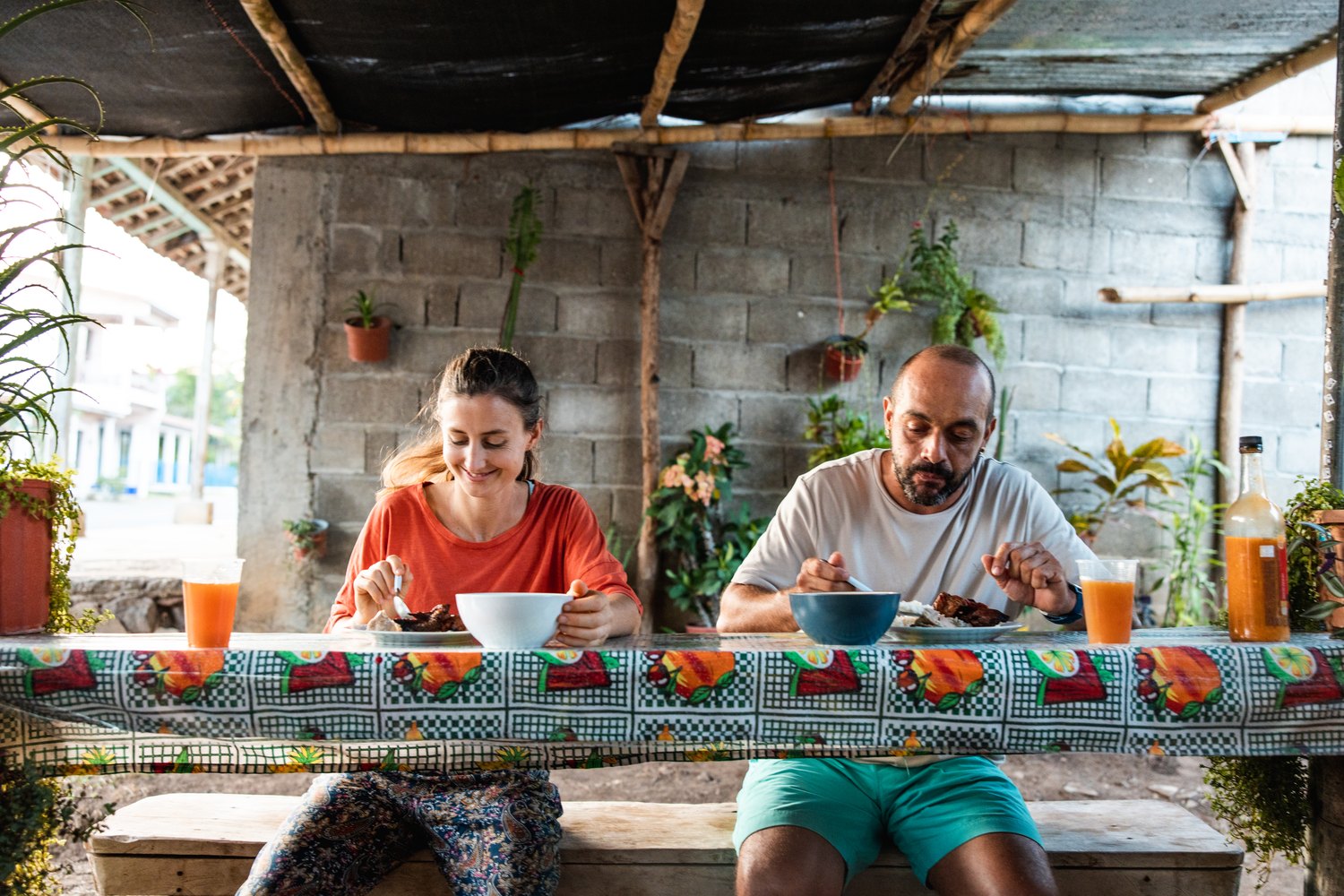
Colon’s Gastronomy: The Essence of the Panamanian Caribbean
Colon’s cuisine represents one of the most significant expressions of the Afro-Antillean heritage in Panama. It blends Caribbean ingredients with culinary traditions brought by the Afro-Antillean communities that arrived in the country, particularly during the construction of the Panama Canal.
Dishes such as saus (pickled pig’s feet), coconut rice, plantain fufu, Antillean-style dumplings, and various fish and seafood specialties are part of a culinary tradition that reflects the province’s multicultural history.
What you will enjoy: Afro-Caribbean cuisine, traditional flavors, seafood, history, and a unique culinary culture.
Indigenous Gastronomy: Panama’s Ancestral Flavors
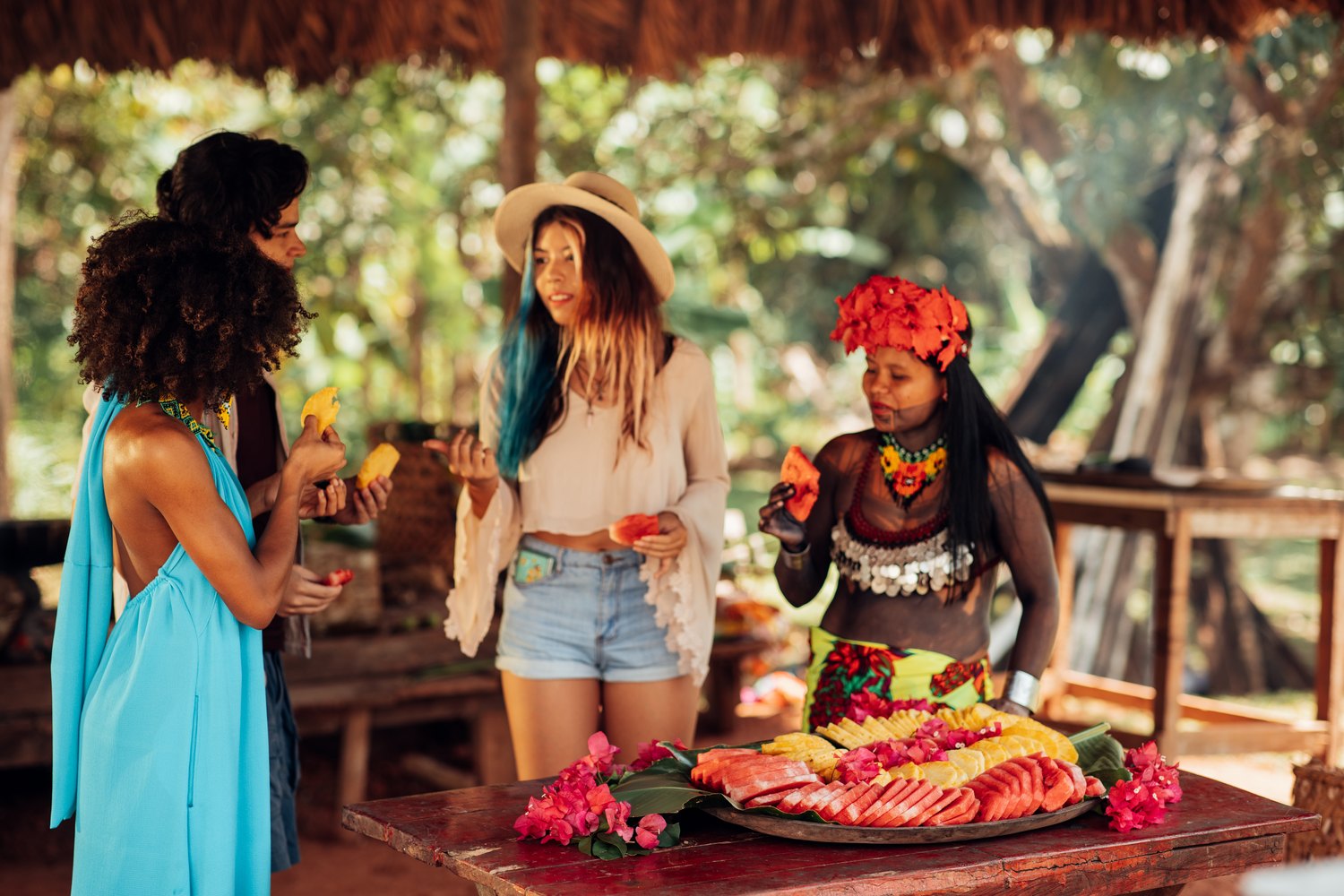
The indigenous cuisines of Panama maintain a profound connection to nature, the land, and the traditions of each people. The Guna, Ngäbe-Bugle, and Embera communities preserve ancestral knowledge centered on local products such as fish, cassava, plantains, corn, coconut, cacao, and wild fruits.
In Guna Yala, the cuisine is defined by dishes featuring fish, seafood, coconut, and other marine resources. Among the Ngäbe-Bugle communities, key ingredients include corn, tubers, cacao, and traditional crops; notable dishes include “saa”, a corn-based dumpling. Meanwhile, Embera cuisine is closely linked to fishing, plantains, cassava, and forest-sourced products.
What you will enjoy: Ancestral flavors, natural ingredients, community traditions, and a direct connection to Panama’s indigenous cultural diversity.
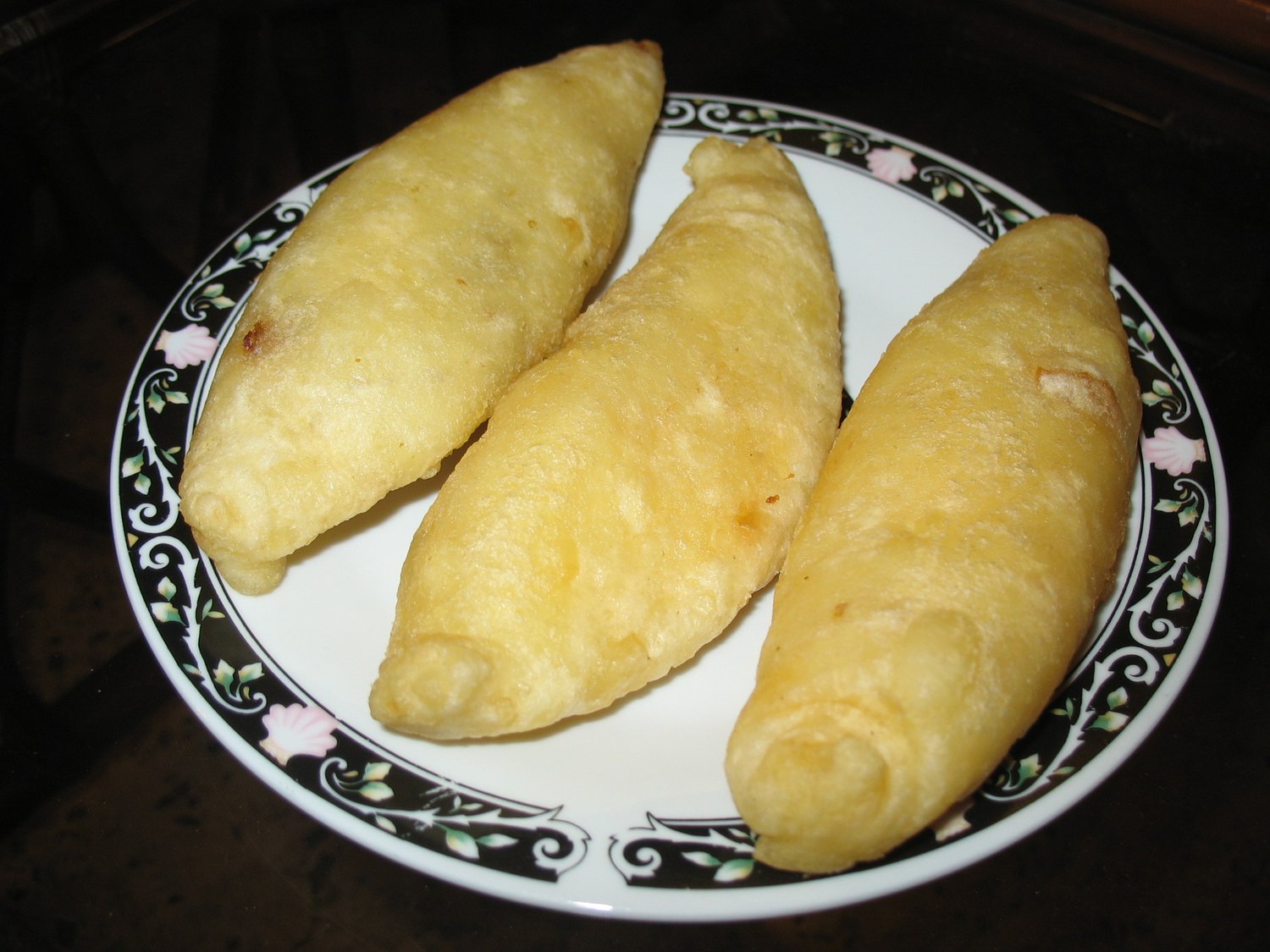
We also invite you to enjoy these Panamanian Dishes:
Sancocho and its roots: Is one of the most iconic dishes of the national cuisine. Its traditional preparation—featuring free-range hen, yam, culantro, and other ingredients—is the result of a blend of Indigenous, African, and Spanish traditions that evolved over time to become a symbol of Panamanian gastronomy.
Mono en Bijao and its tradition: Is part of Panama’s rural culinary heritage, particularly associated with festivals, family gatherings, and community events. It consists of food wrapped in bijao leaves—a traditional technique that preserves flavor and makes transport easier. Preparation methods vary depending on the region and local customs.
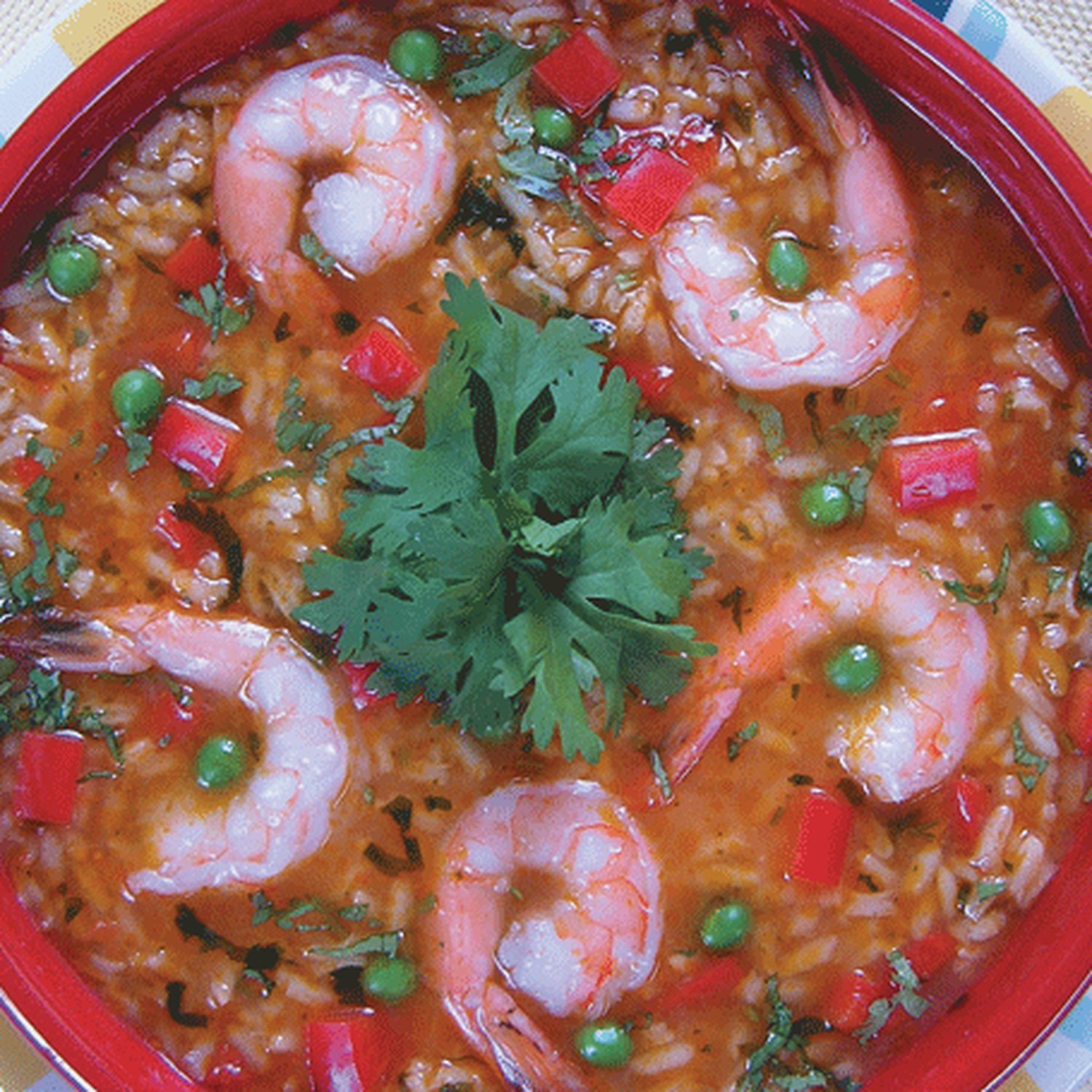
Seafood Guacho and inspiration from the sea: Seafood guacho reflects the historic relationship between Panama’s coastal communities and the bounty of the sea. This moist rice dish, prepared with seafood and other local ingredients, is part of a culinary tradition rooted in using the rich resources of the Panamanian Pacific and Caribbean.